
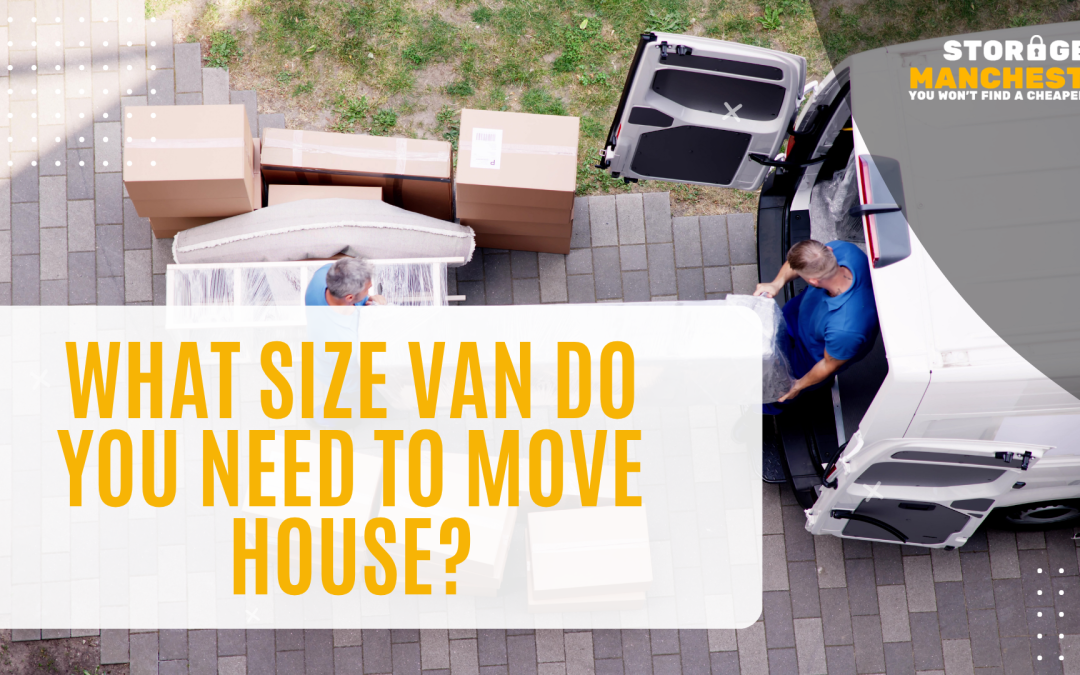
Choosing the right van is one of the most common sticking points when planning a move. Pick one too small and you face multiple trips or belongings left behind. Pick one too large and you pay for space you never use, and may find it harder to drive and park. Knowing what size van you need to move house comes down to two things: understanding standard UK van sizes and making an honest estimate of how much you own.
This guide breaks down each van size, what realistically fits inside, and how to plan your load before you book anything.
What this guide covers
- The standard removal van sizes available in the UK
- What fits inside each van size, room by room
- How to estimate your load before booking
- Licence and driving considerations for larger vans
- When multiple trips or storage make more sense than a bigger van
UK Removal Van Sizes Explained
Most removal vans in the UK fall into four standard sizes. Capacity is usually measured in cubic metres, which tells you the total load space available.
| Van type | Load space | Best suited for |
|---|---|---|
| Small van (SWB) | 5 to 6 cubic metres | Boxes, single items of furniture, studio top-ups |
| Medium van (MWB) | 9 to 10 cubic metres | Studio flats, partial one bed moves |
| Large van (LWB) | 11 to 13 cubic metres | One bedroom flats and small house moves |
| Luton van | 18 to 20 cubic metres | One to two bedroom homes in a single trip |
A Luton van is the box-shaped van most people picture when they think of a removal van. The load area sits over the cab, which adds significant extra space, and many include a tail lift that makes loading heavy furniture far easier.
As a rule of thumb, the contents of an average UK home work out at roughly 7 to 10 cubic metres per furnished room.
What Fits in Each Van Size
Cubic metres are hard to picture, so it helps to think in terms of rooms and items.
Small van (SWB)
A small van suits around 25 to 30 standard boxes, or a few boxes plus one or two items of furniture such as a chest of drawers or a single mattress. It works well for student moves, single room moves, or topping up after a main trip.
Medium van (MWB)
A medium van handles the contents of a studio flat: a double mattress, a small sofa, a wardrobe and around 20 boxes. Taller items can stand upright, which makes loading more flexible.
Large van (LWB)
A large van takes a typical one bedroom flat in a single trip. That covers a double bed and frame, a two or three seater sofa, a wardrobe, a dining table with chairs, white goods and 30 to 40 boxes, provided everything is packed well.
Luton van
A Luton van moves a one to two bedroom home in one trip. Expect to fit two double beds, two wardrobes, a full living room of furniture, kitchen appliances and 40 or more boxes. For three bedroom homes and larger, plan for either two Luton trips or a 7.5 tonne lorry with a professional crew.
How well you use the space matters as much as the space itself. Loading in the right order makes a real difference, and our guide on how to pack a removal van efficiently covers the full method.
How to Estimate Your Load Before Booking
The most reliable way to choose a van size is to walk through your home with a notepad and list every large item, then count your boxes.
A simple estimation process looks like this:
- List all furniture that cannot be dismantled flat
- Note which furniture can be taken apart to save space
- Count packed boxes, or estimate 10 to 15 boxes per room
- Add bulky awkward items such as bikes, plants and appliances
If your total feels close to the limit of a van size, go one size up. A van that is 80 percent full is easy to load and unload. A van that needs everything forced in to close the doors is a recipe for damage.
The same thinking applies to storage. If part of your move is going into a unit rather than the new property, the storage size estimator helps you work out how much space that portion of your belongings needs.
Licence and Driving Considerations
All the van sizes above, including a Luton, can be driven on a standard UK car licence, as anything up to 3.5 tonnes is covered by category B. You only need additional entitlement for 7.5 tonne lorries and above.
That said, driving a Luton van is a different experience to driving a car. Worth considering before you book:
- Height restrictions on car parks, bridges and petrol station canopies
- Wider turning circles and limited rear visibility
- Parking space at both properties, especially on terraced streets
- Weight limits, since a fully loaded van must stay under 3.5 tonnes gross
If you have never driven anything larger than a car, a large van plus two trips can be a calmer choice than one Luton trip. For a wider look at handling a move yourself, see our guide on how to move house without a removal company.
When Multiple Trips Beat a Bigger Van
If you are moving locally within Greater Manchester, distance changes the maths. A second trip across town adds an hour or so, which often costs less in time and stress than wrestling an unfamiliar large van through narrow streets.
Multiple smaller trips work well when:
- The two properties are within 30 minutes of each other
- Parking at either address is tight
- You have help at both ends to speed up loading
- You want to move room by room rather than all at once
For long distance moves, the opposite applies. One trip in the right sized van almost always wins.
Use Storage to Shrink the Van You Need
There is a third option that many movers overlook: reducing the size of the load itself.
Moving everything you own in one go assumes the new property is ready to receive all of it on day one. In practice, many moves go smoother when non-essential items, spare furniture and seasonal belongings go into home storage in Manchester first. The moving day load shrinks, a smaller van does the job, and you unpack the essentials without climbing over boxes you will not open for months.
This approach is especially useful when completion dates do not line up. Our guide on what to store between moving out and moving in covers how to split a move this way.
It also pairs naturally with how we work. Storage Manchester customers can use free van rental when moving items into storage, which removes the van hire cost from that part of the move entirely. Combined with free boxes, the prep stage of your move can cost very little.
Quick Reference: Which Van for Which Move
- A few boxes or a single item: small van
- Studio flat: medium van
- One bedroom flat: large van
- One to two bedroom house: Luton van
- Three bedrooms or more: two Luton trips or a 7.5 tonne lorry
- Any move where storage is involved: smaller van plus free van rental for the storage run
Related guides
- How to pack a removal van efficiently
- How to move house without a removal company
- Estimate how much storage space you may need
Frequently Asked Questions
What size van do I need for a one bedroom flat?
A large van (LWB) with 11 to 13 cubic metres of load space typically moves a one bedroom flat in a single trip, including a double bed, sofa, wardrobe and 30 to 40 boxes.
Can I drive a Luton van on a normal licence?
Yes. A standard UK category B car licence covers vans up to 3.5 tonnes, which includes Luton vans. You only need extra entitlement for 7.5 tonne lorries.
How many cubic metres is the average house move?
A rough guide is 7 to 10 cubic metres per furnished room. A one bedroom flat is usually 10 to 15 cubic metres in total, and a two bedroom house around 20 to 25.
Is it better to hire a bigger van or make two trips?
For local moves under 30 minutes between properties, two trips in a smaller van is often easier than one trip in a large van. For long distance moves, one trip in the correct sized van is usually better.
Do storage customers get free van hire?
Yes. Storage Manchester offers free van rental for customers moving belongings into storage, which can remove van hire costs from that stage of your move.
Choosing the right van size comes down to honest estimation and a little planning. If storage forms part of your move, take advantage of free van rental in Manchester and move your belongings into storage without paying for a van at all.